The Defensive Evolution of the Rode Duivels
The Belgian team, known as the Rode Duivels, has long been celebrated for its offensive prowess, but it’s time to shift our focus to a often-overlooked aspect: defense. As Belgium prepares for the 2026 World Cup, it becomes evident that certain defensive weaknesses need to be addressed to avoid setbacks against formidable opponents.
Current Situation Analysis
In recent matches, Belgium has displayed a worrying trend: individual errors and collective misalignments have led to conceded chances. In their last game, the team was frequently caught on counter-attacks, exposing vulnerabilities on the flanks. While the full-backs are essential for offensive support, they also need to improve their defensive returns to avoid being overwhelmed.
Strengthening Communication
One major issue appears to be communication within the defense. Players sometimes seem hesitant in their decision-making, creating exploitable spaces for opposing attackers. To remedy this, intensified group training can help establish stronger relationships among defenders. For instance, small-sided games focused on defense could allow players to better understand each other and respond more quickly to game situations.
Tactical Adjustments
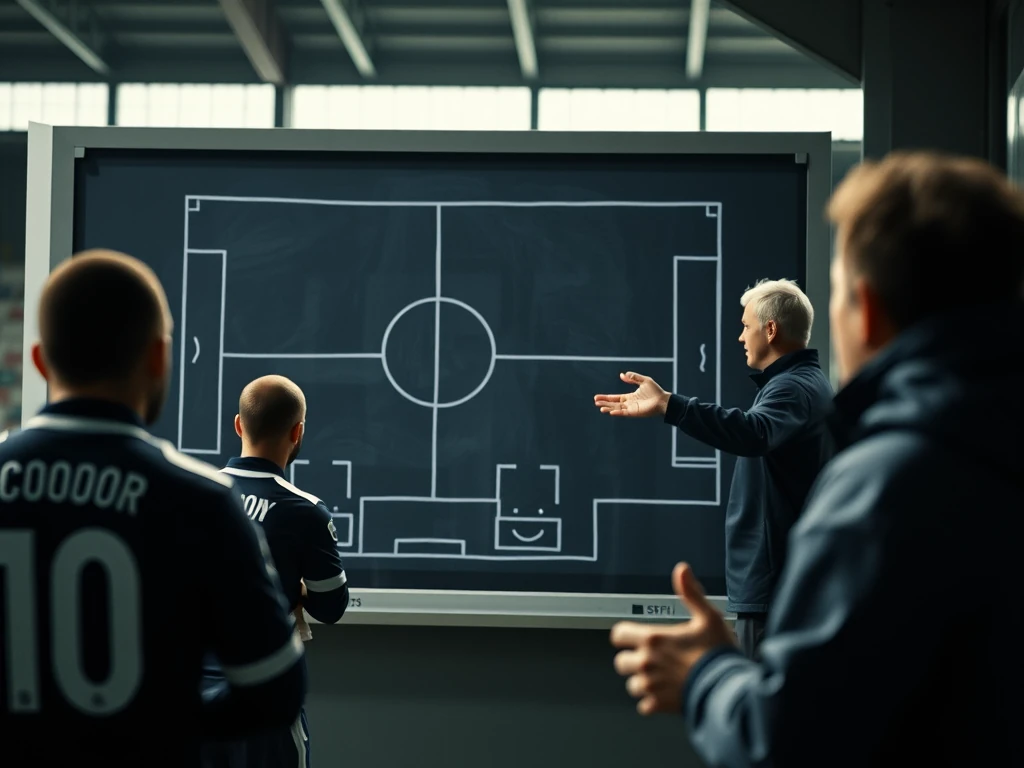
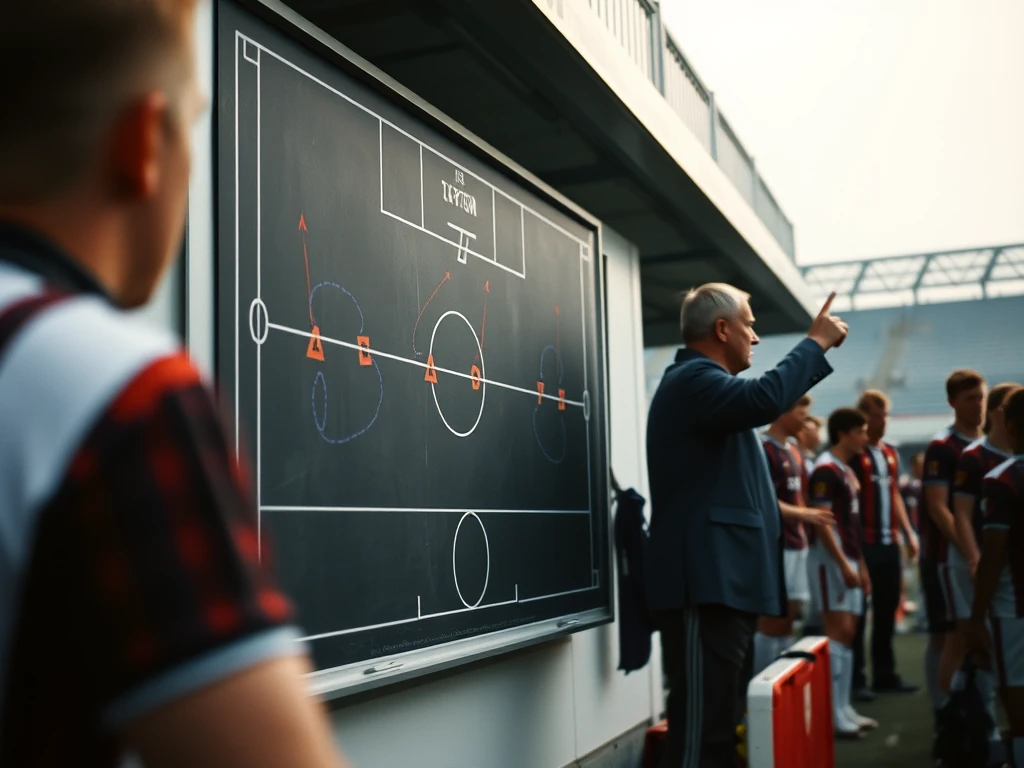
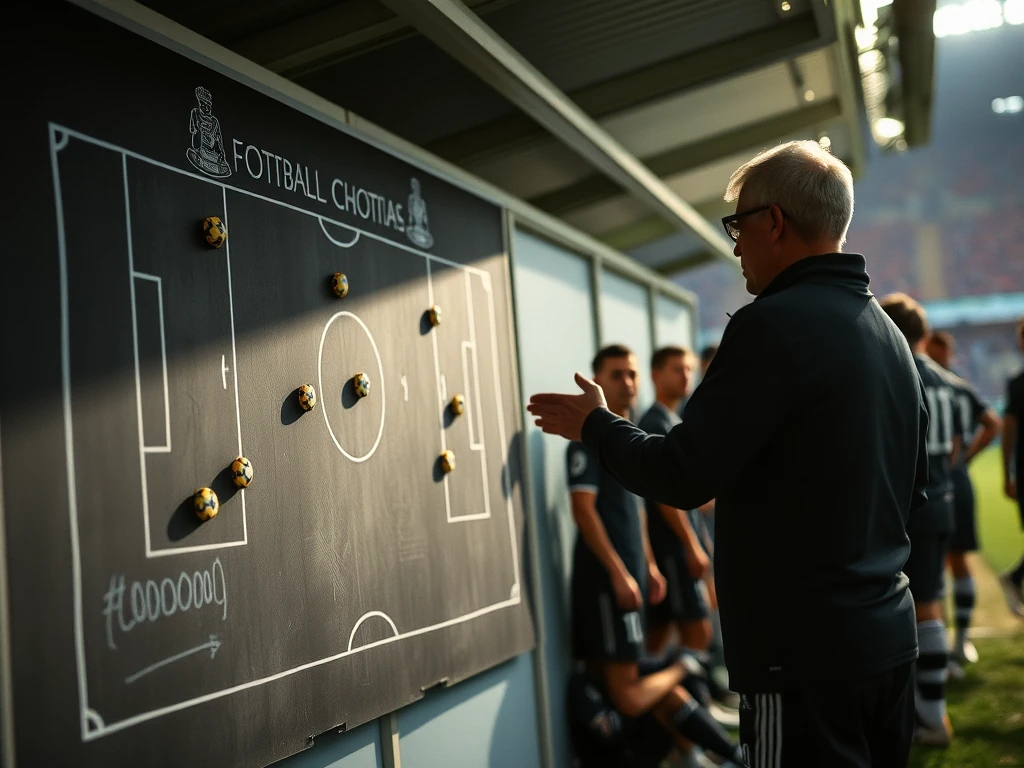
Another solution could be to explore a more flexible formation in the defensive phase. Shifting from a 4-3-3 to a 4-2-3-1 during possession phases could offer more coverage in midfield, allowing full-backs to push forward while having a double pivot to shield the defense. This would also provide additional stability against teams that rely on quick transition play.
Leveraging Talents
Individual talents, such as those of players like Wout Faes or Timothy Castagne, can be maximized through adjustments in how they are utilized. Encouraging Faes to play higher and participate in build-up play while having clear defensive responsibilities could give Belgium a more dynamic approach. Similarly, Castagne could benefit from a more defined supporting role, allowing him to focus on his strengths while minimizing risks.
Conclusion
In summary, for the Rode Duivels to shine at the 2026 World Cup, it is imperative to make defensive adjustments. Strengthening communication, exploring flexible tactical formations, and leveraging individual talents are essential steps to ensure a solid defense. By working on these aspects, Belgium could not only defend effectively but also pose problems for opposing teams.