A New Era for the Rode Duivels
The road to World Cup 2026 is already underway for the Rode Duivels. While the team has shown promising signs of creativity in attack, their ability to capitalize on these key moments is often hindered by a lack of synchronization across the lines. The clear goal is to transform this creativity into effectiveness, a necessity that could prove decisive during the tournament in Canada, the United States, and Mexico.
Belgium has a rich history on the world stage, but with expectations riding high on this golden generation, the pressure is immense. Recent performances during qualifiers have highlighted gaps that need addressing before the big event. If the country wants to make a real impression, optimizing their offensive play is imperative.
Tactical Breakdown
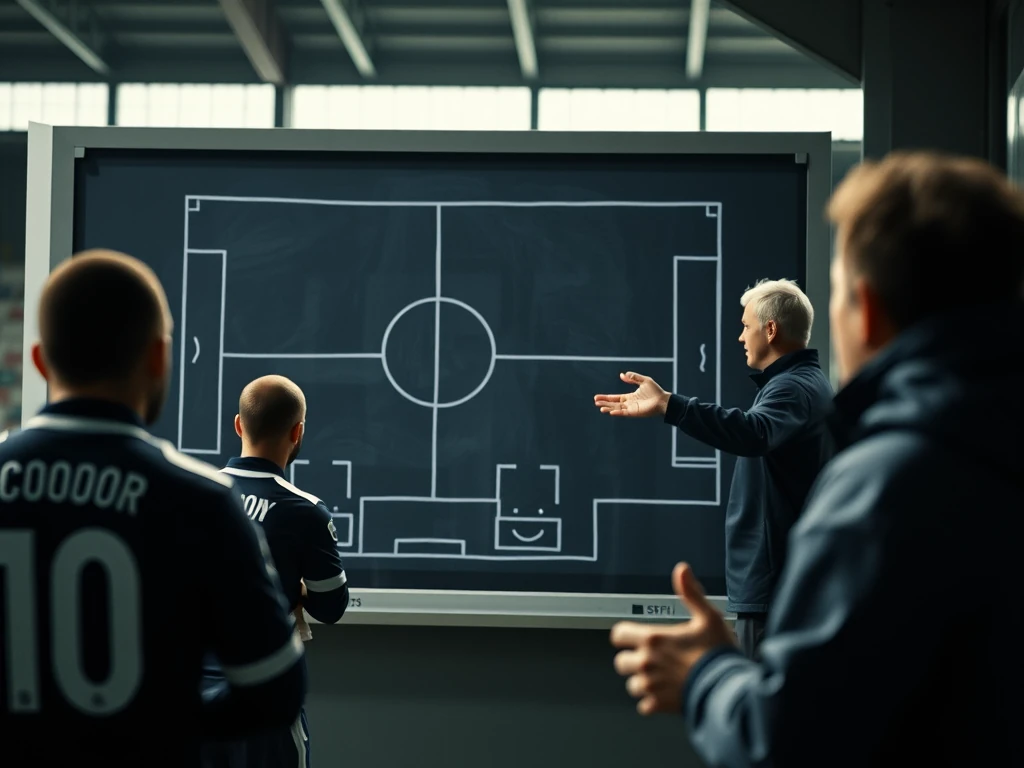
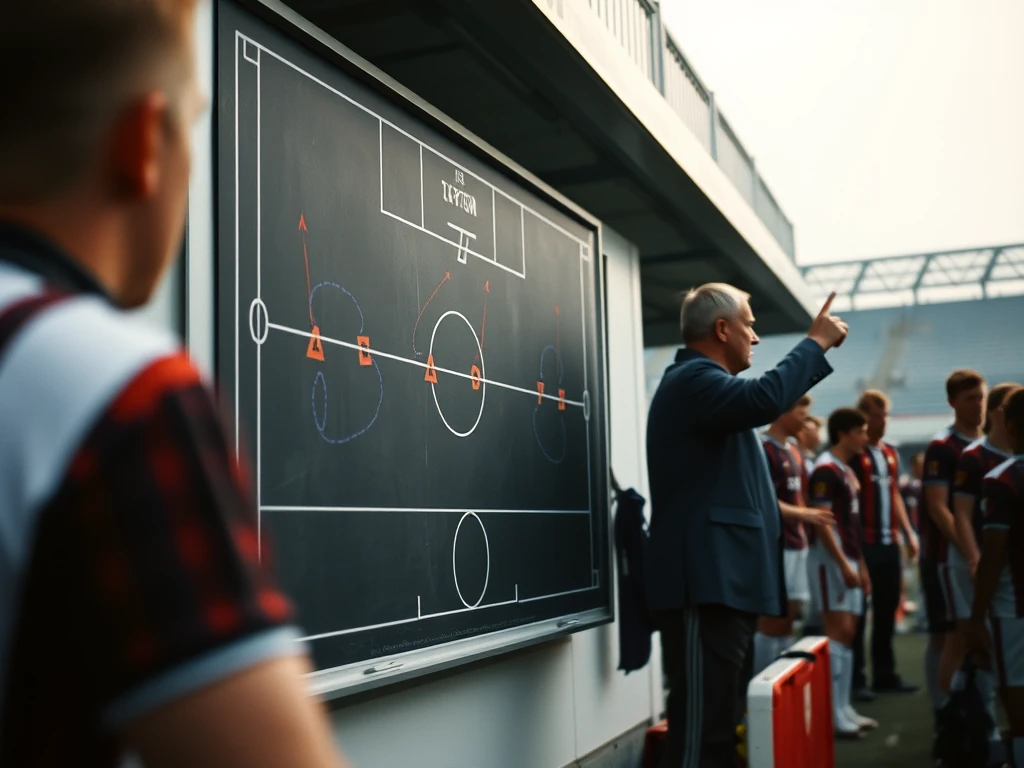
To enhance their offensive play, manager Roberto Martinez needs to focus on several tactical aspects. A key area lies in the fluidity of movement between forwards and midfielders. Integrating talents like Romelu Lukaku and Kevin De Bruyne is essential, but this requires players to be in sync with each other on the pitch.
Key Points of Tactical Analysis:
- Synchronization between lines
- Fluidity of movements in attack
- Optimal use of individual talents
- Creation of spaces for attacking players
Implementing a flexible system that can adapt to different opposing defenses is crucial. Whether playing with a lone striker or opting for a fluid system with several attackers, Belgium must be prepared to adjust.
What This Means for Belgium
For supporters, these adjustments are more than just tactical considerations. They represent hope for witnessing their players deliver memorable performances on football's grandest stage. Fans of the Rode Duivels eagerly anticipate a team that can not only qualify but also make a significant run in the tournament. A team that plays well together is a source of national pride.
However, it’s essential for fans to keep a critical eye on the team's progress. If results leading up to the World Cup don’t show improvement, expectations could swiftly turn into disappointment.
The Wider Championship Picture
Examining the global football landscape, it’s evident that competition has intensified. Teams like Brazil, Argentina, and even emerging nations like Morocco or Ukraine have recently shown they can create surprises. For the Rode Duivels to stand out, they must not only compete with these powerhouses but also anticipate their strategies.
The FIFA World Cup 2026 won’t just be a showcase for Belgian talents, but also a test of the team’s ability to adapt and evolve in a fiercely competitive context. Preparation should include friendly matches against top-level opponents to test these new tactics.
Fan Reaction and Outlook
Fans of the Rode Duivels are passionate and invested, often ready to support their team through ups and downs. Recent performances have sparked lively discussions on social media, with supporters expressing confidence in the team’s potential, but also concern over synchronization errors.
Supporter forums reveal a mix of optimism and skepticism. Some firmly believe that tactical adjustments will pay off, while others fear that old habits may be hard to change. Fans want to see tangible results, not just promises.
What’s Next
As the date for World Cup 2026 approaches, the Rode Duivels need to focus on establishing an offensive strategy. Preparation matches will be crucial for testing new tactical frameworks and strengthening team cohesion. Expectations are high, and every match will be an opportunity to demonstrate that Belgium is ready to face global competition.
Upcoming steps include strategic discussions within the coaching staff, as well as player selections that can integrate into this new offensive momentum. If the Rode Duivels manage to resolve these synchronization issues, they could well find themselves in the latter stages of the tournament.