 Belgium Hub
The Story Behind the Flag
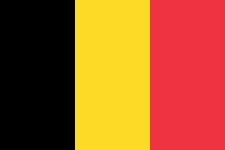
The Belgian flag, as we know it today, features three vertical stripes: black, yellow, and red. However, this national symbol is much more than just a decorative piece; it represents the identity and unity of the Belgian people. More than just a piece of fabric, the flag embodies centuries of struggles, revolutions, and unifications that have shaped the nation.
The creation of the flag dates back to 1830 during the Belgian Revolution, which led to the country’s independence. The combination of these colors comes from the coat of arms of the Duchy of Brabant, with each color carrying a specific meaning. Black symbolizes strength, yellow signifies wealth, and red represents courage. These values are crucial to Belgium's national identity.
Meaning of the Colors
Black: Strength and Dignity
The black in the Belgian flag is often interpreted as a symbol of strength. It also evokes the dignity and resilience of the Belgian people, who have endured numerous trials throughout their history. The color black recalls past struggles and the country's ability to rise again after each challenge.
Yellow: Wealth and Prosperity
Yellow represents the richness of Belgian soil as well as its economic potential. It is a color that inspires optimism and hope, sentiments that have always been present in the Belgian spirit. In times of crisis, yellow reminds Belgians of their capacity to thrive and rebuild.
Red: Courage and Determination
Red is often associated with courage and determination. It symbolizes the sacrifices made to gain freedom and independence. Every time the flag flutters, it reminds Belgian citizens of the price of their liberty and the importance of defending their nation.
The Regions and Their Flags
Belgium is not only defined by its national flag. Each region – Flanders, Wallonia, and Brussels – has its own flag, each with unique meanings and symbols. This reflects the country’s cultural diversity.
- Flemish Flag: adorned with a black lion on a yellow background, symbolizing power and nobility.
- Walloon Flag: featuring a red rooster on a yellow background, a symbol of pride and community.
- Brussels Flag: displaying a cross on a black and yellow background, reflecting the union of diverse cultural influences in the region.
The Flag’s Impact on Belgian Culture
Sports and National Pride
The Belgian flag holds a prominent place in sports, particularly during international competitions. Whether it’s during the FIFA World Cup or the Olympics, Belgian athletes proudly display the national colors. The flag becomes a symbol of unity, rallying supporters behind their teams. The moments when Belgians sing the national anthem before a match are filled with strong emotion, reinforcing the sense of belonging.
Festivals and Celebrations
Belgians celebrate their identity through various festivals where the flag is omnipresent. Whether on the national holiday of 21 July or during cultural events, the flag becomes a symbol of pride and collective joy. These gatherings strengthen community ties and national consciousness, reminding everyone that, despite linguistic divisions, they share a common history and values.
Fan Reactions and Future Outlook
Belgian supporters, whether from Flanders, Wallonia, or Brussels, express their passion for the flag through chants during sporting events. The flag becomes a powerful symbol of identity, but also of solidarity among different communities. Fans are proud of the history the flag represents and are ready to defend that identity at every opportunity.
A Collective Identity
For many, the Belgian flag is more than just a symbol; it represents a collective identity. The various cultural and linguistic backgrounds come together under the black, yellow, and red colors, creating a shared sense of belonging. This is especially visible during major sporting events, where the nation comes together to support its teams. The chants of support and applause resonate in stadiums, reminding everyone that, despite differences, unity prevails.
What This Means for Belgium
The Belgian flag is a powerful symbol of unity, but it also represents the challenges the country faces. Linguistic and regional tensions persist, making the flag a rallying point for encouraging dialogue and understanding. Belgians need to continue fostering an identity that embraces their differences while celebrating their collective history.
Reflecting on the Future
Future generations are called to carry this flame of unity. The Belgian flag deserves to be a symbol that transcends divisions, uniting all Belgians around common values. As a nation, it is essential to reflect on what the flag represents and how it can continue to inspire future generations.
What’s Next?
As the FIFA World Cup 2026 approaches, the Belgian flag will continue to be a symbol of pride for all Belgians. How the country prepares for this event, both on a sporting and cultural level, will be crucial. Supporters, united under the black, yellow, and red colors, will be there to support their players and claim their place on the world stage. The passion and commitment of fans will play an essential role in how Belgium redefines itself through this iconic symbol.