 Belgium Hub
The Belgian team has shown signs of inconsistency in recent matches, often retreating rather than imposing their game. While the wealth of talent is undeniable, the current tactics sometimes appear too cautious, preventing optimal exploitation of the offensive capabilities of players like Romelu Lukaku and Kevin De Bruyne.
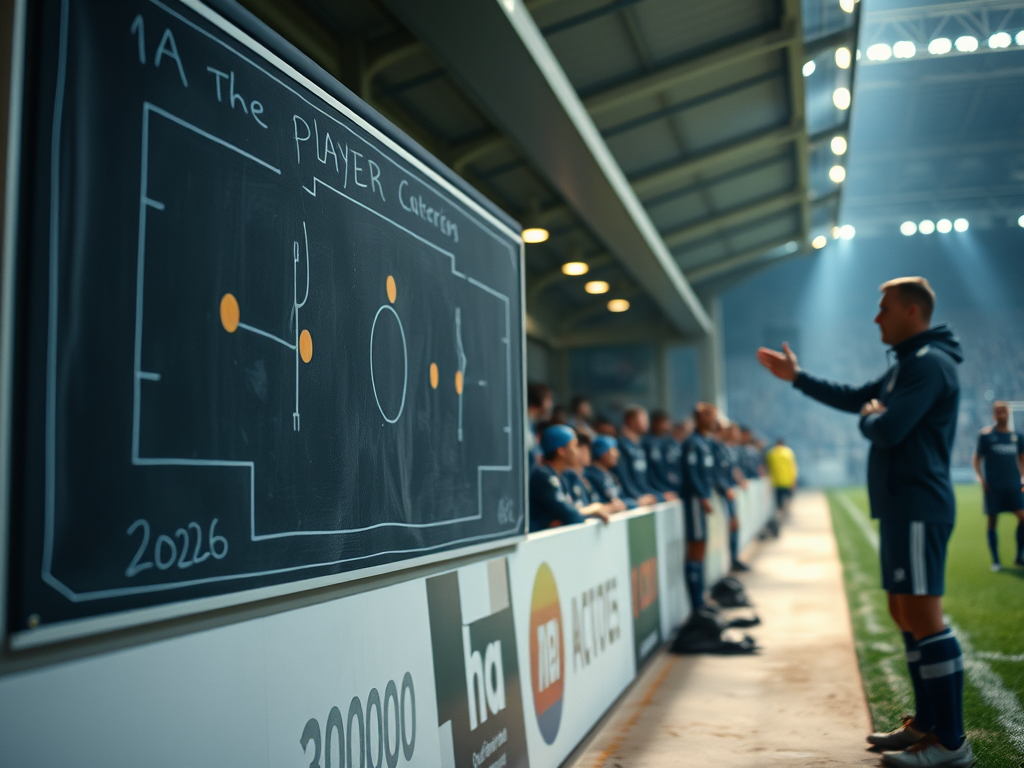
To energize their play, shifting to a 4-3-3 system could be beneficial. This formation would allow the game to be spread out on the wings, providing more space for wingers like Yannick Carrasco and Dries Mertens to break through opposing defenses. By integrating a more mobile midfield, with Youri Tielemans and Hans Vanaken, Belgium could also improve its transition between defense and attack, which is crucial against opponents who play on the counter.
Another area for improvement lies in squad depth. Rudi Garcia must ensure he has substitutes who can add real value when starters are tired or under pressure. Players like Charles De Ketelaere could be utilized more frequently, injecting new energy and creativity onto the pitch.
The defense, while solid, could benefit from a more proactive approach. By encouraging full-backs to push forward more, Belgium could create imbalances in the opposing half. Thomas Meunier and Timothy Castagne have the technical qualities necessary to provide offensive support while maintaining adequate defensive coverage.
Finally, work on set pieces needs to be intensified. The Rode Duivels have often struggled with inefficiency in free-kick and corner situations. By integrating specific routines and exploiting the height and heading ability of players like Lukaku and Jan Vertonghen, Belgium could capitalize on these opportunities to score crucial goals.
In summary, the Rode Duivels have the capacity to shake the football world, but tactical adjustments are necessary to unleash their full potential. The 2026 World Cup could be the perfect moment to implement these changes and reclaim their place among the best teams in the world.